
NZ’s 2025 Smokefree Vision Undone
NZ’s Smokefree Vision Undone: Who Benefits When We Backtrack?
"We don't smoke this shit, we just sell it. We reserve the right to smoke for the young, the poor, the Black, and the stupid." R.J. Reynolds Tobacco Company executive Claude Teague (1970s).

Sue Freeman RN, QuitCoach
The recent decisions to step back our Tobacco Control initiatives by the National Government has sent shockwaves through New Zealand and the World.
315 Million Smokers Dead!
Since the 1970s, tobacco use has claimed hundreds of millions of lives globally — with over 315 million deaths attributed to smoking-related diseases, many of them preventable. These staggering losses are not accidental. They reflect decades of deliberate targeting by the tobacco industry, especially toward vulnerable populations. It’s this reality that fuels the commitment of those of us working in smokefree advocacy and tobacco control — because behind every statistic is a life cut short, a family grieving, a community harmed.
And yet, despite decades of evidence and advocacy, New Zealand’s newly elected government has chosen to repeal key components of our world-leading Smokefree 2025 legislation — including the generation ban and planned reductions in tobacco retail outlets. These rollbacks undermine hard-won public health progress and signal a troubling disregard for the wellbeing of citizens, especially Māori and Pacific communities who continue to suffer disproportionately from tobacco-related harm. Instead of protecting future generations, these decisions risk deepening cycles of addiction, illness, and inequity.
Smokefree Environments and Regulated Products Act 1990.
New Zealand’s Smokefree Aotearoa 2025 Action Plan, grounded in the Smokefree Environments and Regulated Products Act 1990 and its amendments, set a bold target: to reduce smoking prevalence to under 5% by 2025. That goal is now in jeopardy.
Changing laws to protect our communities from Big Tobacco has always been slow and frustrating. Only a few leaders, like Dame Tariana Turia (deceased) and Hone Harawira, have shown genuine commitment by working alongside advocates to build a smokefree future.
Even with the guidance of the Act, stronger measures have long been needed. Around 5,000 lives are lost each year to smoking-related illness. Without bold action, our youth remain vulnerable to addiction, and our health system continues to carry the burden — especially for Māori and Pacific peoples, who often face multiple overlapping health challenges.
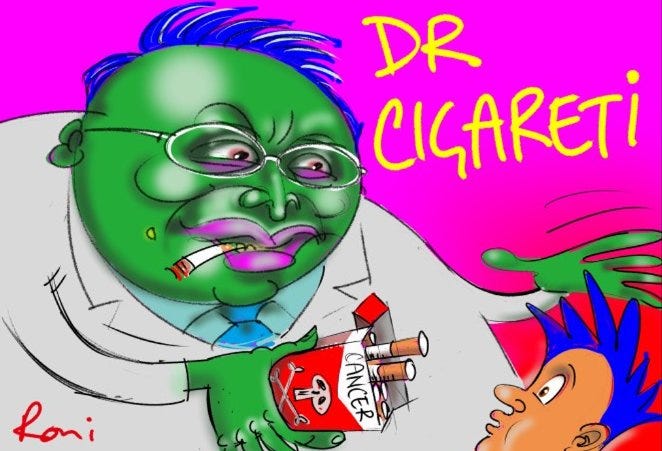
Public Backlash
After widespread criticism, Prime Minister Christopher Luxon has walked back aspects of the government’s tobacco law repeal — but clarity is still lacking. His vague comment that “they said it wrong” has left many wondering whether the reversal is genuine or simply damage control. The controversial changes, including the rollback of Smokefree 2025 measures, are still expected to proceed in March 2024.
This raises a deeper concern: has our government become dependent on tobacco excise revenue to the point where public health is compromised? When policy decisions appear to benefit industry interests more than community wellbeing, especially in the face of strong evidence and public outcry, it’s fair to ask whether Big Tobacco’s influence runs deeper than we’re being told.
Tobacco Control Policies and Social Justice
With a population of around 5.2 million, Aotearoa New Zealand carries a layered history shaped by colonisation and the long shadow of tobacco harm. Māori, the tangata whenua or people of the land, make up approximately 16% of the population, while Pacific peoples represent about 9%. Both communities continue to bear disproportionate health burdens linked to smoking — a legacy rooted in systemic inequities and colonial disruption.
In 1840, more than 500 Māori rangatira signed Te Tiriti o Waitangi, believing they were entering a genuine partnership with the British Crown. Yet over time, that promise has often been broken, leaving Māori communities sidelined and facing persistent health and social challenges.
The erosion of Te Reo Māori, land, and cultural identity has had lasting impacts — though recent decades have seen a powerful resurgence, echoing language revitalisation movements in places like Ireland and Scotland. Bilingual signage, cultural reclamation, and grassroots leadership are helping restore what was lost.
Still, the recent dismantling of tobacco control legislation — alongside other policy reversals — has sparked concern that these setbacks may not be isolated. Many see them as part of a broader pattern that undermines Māori rights and wellbeing. The photo below captures a nationwide march, where Māori voices rose in unity to express anger, grief, and determination.

Photo outside Parliament 5 December 2023
At the heart of Māori health philosophy is a model that has long been denied full recognition in mainstream care — yet it remains deeply rooted in whakapapa and lived experience. This framework, known as Te Whare Tapa Whā, envisions wellbeing as a wharenui (meeting house) with four essential walls: whānau (family), wairua (spirituality), hinengaro (mental and emotional wellbeing), and tinana (physical health). Each wall is vital, and the strength of the whole depends on the balance between them.
But Māori wellbeing extends beyond these foundations. It includes whanaungatanga (relationships and connectedness), mana (dignity, authority, and self-worth), and mauri (the life force that animates us). This holistic view of health stands in stark contrast to reductionist models that isolate symptoms from context.
Now imagine a stop-smoking program built from this worldview — designed by Māori, for Māori. It would honour identity, restore connection, and address the deeper layers of harm and healing. It wouldn’t just aim to reduce prevalence; it would uplift whānau, protect whakapapa, and reclaim tino rangatiratanga over health.

Māori, Colonization, and the Tobacco Epidemic
Before European contact, Māori had no tradition of tobacco use. As a people, they were physically strong, spiritually grounded, and deeply connected to the land and sea. Their identity was woven through iwi (tribe), hapū (subtribe), and whānau (family) — a collective strength not unlike that of other Indigenous nations, such as the Scots.
Colonisation disrupted this foundation. Forced urbanisation, land loss, and cultural suppression fractured Māori communities and eroded their sense of belonging. Tobacco, introduced during this period, became one of many tools of harm — a substance that has since taken a devastating toll on Māori health and whānau wellbeing.
Te Tiriti o Waitangi (Waitangi)
Te Tiriti o Waitangi holds the potential to dismantle long-standing barriers and restore Māori wellbeing — but only if its principles are meaningfully upheld within tobacco control policy. Honouring the Treaty means actively listening to Māori voices and embedding their rights and aspirations into every layer of public health strategy.
Māori communities know what they need. That may include drastically reducing the availability of tobacco products in targeted areas, raising prices in line with the cost of living, banning all forms of tobacco marketing, regulating digital platforms to prevent online promotion, and ensuring sustained funding for culturally grounded cessation services. These aren’t just policy tweaks — they’re steps toward reclaiming tino rangatiratanga over health and protecting whakapapa for future generations.
Pacifica Communities: Shared Struggles
Pacific peoples, like Māori, continue to face deep-rooted health inequities shaped by colonisation and the introduction of tobacco. Smoking-related illnesses rarely appear in isolation within these communities — they cluster, compounding disease burden and significantly shortening life expectancy compared to European smokers.
Despite a strong desire to quit, Māori and Pacific peoples encounter barriers that mainstream programs often fail to address. Their physiological responses to nicotine, carbon monoxide, and thousands of synthetic chemicals differ from those of Europeans, making conventional approaches like Nicotine Replacement Therapy less effective. This contributes to higher relapse rates and reinforces the need for culturally grounded solutions. Yet calls for programs designed by and for these communities have frequently been dismissed by decision-makers, who continue to rely on imported British models that don’t reflect local realities.
From direct experience working alongside these communities, I’ve witnessed Ministry of Health officials walk out of tobacco control conferences when challenged on Treaty obligations, health sovereignty, and the influence of pharmaceutical interests. These moments reveal a deeper discomfort — one that speaks to the power imbalance at the heart of tobacco policy.
When tobacco control is framed solely around individual behaviour, it benefits Big Tobacco, Big Pharma, and government revenue streams. This approach ignores the systemic pressures faced by families living below the poverty line — where parents may work multiple jobs and still struggle to afford rent, power, and food. High tobacco taxes are intended to deter smoking, but for many, quitting remains out of reach. Their addiction — what leading US researchers now call nicotine substance misuse — is among the hardest to break.
An average price range for 20s cigarette packs: $33.90 (budget brands) to $49.90 (premium brands). In one Wellington supermarket, a 20-pack of Marlboro cigarettes sells for $47.90, with roughly 70% of that going to government tax. On World Smokefree Day, I surveyed 350 people at a New Zealand hospital, asking what price point would motivate them to quit. The average answer was $35 — the same as the current cost — and one participant said he’d pay up to $100. At the time, the average pack price was just $17.80. These responses reflect not just economic strain, but the depth of addiction and the need for tailored, compassionate support.Image of equivalent groceries for one packet of Marlboro in Australia Sept. 2023
Black Markets will always exist
The National Party has claimed that its decision to roll back Smokefree 2025 measures is driven by concerns over ram raids and the growth of the black market. But this explanation doesn’t hold up under scrutiny. Ram raids have actually declined in 2024, not increased, and the timing of the repeal — just days into their term — raises questions about what evidence they truly had. It’s hard to believe this was a data-driven decision when the numbers tell a different story.
While it’s true that cigarettes are often targeted in retail crime, experts point to deeper causes: the lingering effects of COVID-19, rising truancy, economic hardship, and social disconnection. These factors have created fertile ground for youth crime, but they’re not unique to tobacco. In fact, the UK has shown that black market tobacco can be reduced through coordinated enforcement, not deregulation. Their illicit trade dropped from over 21% to 16% between 2005 and 2021. Meanwhile, New Zealand’s black market rose from 9.2% to 12.1% by March 2023, and Australia’s sits even higher at 23.5%, despite tighter vape regulations.
Globally, illegal tobacco now makes up over 11% of consumption. Big Tobacco is using this trend to push for partnerships with governments and international agencies — including the WHO, WTO, and EU — under the guise of tackling illicit trade. But the real danger is that these collaborations could further entrench corporate influence and boost profits. British American Tobacco’s own projections suggest they’re on track to hit a trillion-dollar profit target by 2028. All while our loved ones continue to suffer and die.
Instead of partnering with the very industry that caused this harm, governments should be supporting homegrown tobacco alternatives, compensating farmers as land is returned to native forest, and demanding restitution from Big Tobacco for the health costs they’ve inflicted. Anything less risks perpetuating a cycle where addiction is monetized, poverty is exploited, and public health is sidelined.
Addiction by Design: How Big Tobacco Wins
The Myth of Choice
Tobacco companies lean heavily on the idea of personal choice, glossing over the addictive nature of nicotine. Most smokers begin as teens, drawn in by peer influence and curiosity. That first cigarette isn’t why they’re still smoking decades later — addiction is. Yet the industry continues to frame smoking as a voluntary habit, not a chemically reinforced dependency.
Turning Blame Back on the Smoker
Industry messaging — echoed by government, pharmaceutical, and medical circles — often shifts responsibility onto the smoker. This narrative lets Big Tobacco off the hook while placing guilt on the individual. Tragically, many smokers internalize this blame. But the truth is clear: addiction is engineered. The tobacco industry is responsible for the death and disease it profits from.
The Lie of “Safer” Products
For decades, tobacco companies have introduced new products under the guise of harm reduction. But there is no safe version of tobacco. Lower nicotine levels often lead smokers to inhale more deeply or smoke more frequently. In the vape market, Australian regulators have found mislabeled products with inaccurate nicotine content. These tactics distract from the core truth: every puff causes harm.
Lifestyle Illusion
Smoking is still marketed — subtly or overtly — as a lifestyle choice. Vaping influencers glamorize nicotine use in ways eerily similar to the cigarette ads of the past. Young people are being manipulated by the same playbook, just repackaged for digital platforms. The health risks are buried beneath aesthetics and social clout.
Marketing Blame as Empowerment
Tobacco advertising often disguises blame as empowerment, urging individuals to “take control” of their smoking. This mirrors tactics used to distort scientific truth. One example: after smoking in cars was banned to protect children, a researcher funded by Philip Morris publicly claimed there was no evidence of harm. But we know children absorb toxins through second-hand smoke and contaminated surfaces — third-hand exposure is real and dangerous.
Hooking the Next Generation
Social media has become a breeding ground for nicotine addiction. The industry targets teens through influencers and viral content, making vaping look trendy and harmless. This digital onslaught is difficult to regulate, and it demands proactive conversations from parents, schools, and communities to counteract the messaging.
Dodging Accountability Through Government Messaging
Big Tobacco often suggests that governments should be the ones delivering health warnings. It’s a clever deflection — one that shifts the burden of responsibility away from the industry. While governments foot the bill for public health campaigns, tobacco companies continue profiting without paying for the damage they cause.
Smokefree in Name Only
Claims of going smokefree are part of a calculated PR strategy. While companies tout their commitment to a smokefree future, they aggressively market vapes and other nicotine products to young people. The addiction cycle continues — just under a different label.
Unequal Harm, Global Consequences
Recent US data shows that smoking disproportionately affects minority populations, deepening health inequities. This isn’t just a local issue — it’s a global one. Tackling tobacco harm requires international cooperation and policies that prioritize equity, not industry profit.
A cigarette is a drug-delivery device.
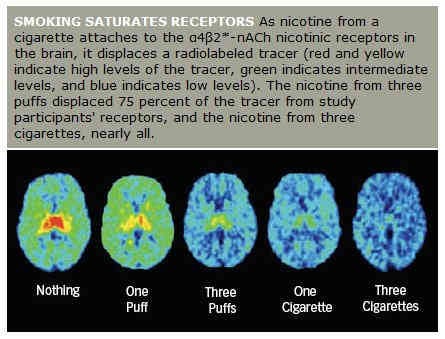
Image: Every cigarette is doing you harm
Smoking is a slow-motion tragedy — a disease that ends in death. Every year, eight million people around the world lose their lives to tobacco-related harm. Most of them didn’t keep smoking because they loved it. They kept smoking because they were addicted — to nicotine that had been genetically engineered for maximum impact, reaching the brain within seconds. And while the tobacco industry knew exactly what it was doing, it deflected responsibility onto the smoker. Over time, many internalized the blame, believing their addiction was a personal failure — a lack of willpower, a character flaw, a weakness. Meanwhile, Big Tobacco and its shareholders profited from that shame.
And let’s not forget: 1.2 million of those deaths each year are people who never smoked. They’re the partners, children, colleagues, and bystanders — the ones who breathed in second-hand smoke or lived in homes where third-hand exposure lingered on every surface. What about the babies lost before birth, or the children who may never be conceived because smoking has damaged fertility? These are the hidden costs. And Māori and other communities of colour carry the heaviest burden of all.
Rather than continuing to push products under the guise of “meeting demand,” the tobacco industry should have been using its platforms to warn, protect, and repair. It should have been standing up for the whānau, not profiting from their pain. The time has come to dismantle this business model and put public health before profit.
Conclusion
New Zealand's new National government's prioritization of addressing Smokefree in its first 100 days raises concerns, leading one to question if it distracts from potentially more pressing issues. The staggering toll of 5,000 New Zealanders perishing annually demands a unified front against Big Tobacco, emphasizing the need for enduring change grounded in Tobacco Control Policies anchored in social justice. The call to action must be for New Zealand and the world: No Tobacco in New Zealand
Break Free Today
It’s time to say goodbye to smoking and vaping — for good. Step into a coaching and support experience that goes beyond information. Here on Xperiencify, you’ll find personalized care, lived wisdom, and practical strategies woven together to help you break free from Big Tobacco and begin your journey into addiction recovery.
If you’re just starting out, begin with How to Stop Smoking and Vaping: Your Step-by-Step Guide
It’s designed to walk with you, not push you — offering clarity, encouragement, and real tools for change.
This isn’t just about quitting. It’s about reclaiming the vibrant life you once imagined — free from nicotine’s grip. It’s about restoring your wellbeing, rebuilding your confidence, and stepping boldly into your future. Join us on this powerful journey toward freedom. You’re not alone. Together, we are unstoppable.
With hope and unwavering support, Quit Coach Sue
