
From Policy to Addiction: How Government Decisions Hooked a New Generation
From Policy to Addiction: How Government Decisions Hooked a New Generation
Oops, We Hooked the Kids!

Sue Freeman RN | QuitCoach | Nicotine Recovery Advocate

From 1950 until today, Big Tobacco's behavior has consistently belied the fact that nicotine is highly addictive, keeping people hooked. How do we know? Since the Surgeon General's Warning, 100 million people have died or are dying from smoking-related diseases. In recent years, New Zealand has seen a significant decline in tobacco sales, thanks to stringent regulations and increased health awareness. However, this positive trend masks a troubling reality: government policies have inadvertently led to a rise in nicotine addiction among our youth. While New Zealand's tobacco sales are dropping, global trends tell a different story.
Cigarette manufacturers deliberately engineered Tobacco to maximize nicotine addiction, using genetically modified crops and chemical additives to keep smokers hooked. The result was an industry that profited immensely at the expense of public health. As awareness of smoking-related diseases grew, the need for cessation methods became evident.
Enter Nicotine Replacement Therapy (NRT)
NRT was initially developed as a short-term aid to help smokers transition away from combustible cigarettes. The first nicotine gum, Nicorette, was developed in the late 1960s by Dr. Ove Fernö, Vice President of Research and Development at AB Leo in Sweden. He intended to create a temporary tool for quitting, not a long-term dependency solution. However, pharmaceutical companies quickly recognized the profit potential of NRT, developing patches, lozenges, and other cessation medications as additional quitting aids. This became a gold mine for Big Pharma, generating billions in revenue while promising to double a smoker's chances of quitting for a few weeks.
The research behind these claims was often flawed. Control groups in studies knew they weren't receiving the product, which influenced outcomes, and many findings failed to translate to real-world success. Worse still, many people became addicted to NRT instead of quitting nicotine altogether—myself included.
E-Cigarettes - But They're Safer Than Cigarettes, Aren't They?
Despite what many believe, e-cigarettes are not an FDA-approved or Ministry of Health-endorsed cessation tool. While some smokers have used them to transition away from cigarettes, many end up using both cigarettes and vapes, leading to even greater nicotine consumption. Studies indicate that 60% of vapers want to quit but struggle with dependence—proving that vaping is not a pathway to freedom but a new form of addiction.
Governments worldwide, including in New Zealand, have acknowledged that while vaping may expose users to fewer toxins than cigarette smoke, it still poses significant health risks, including addiction and lung damage. A 2019 report from the New Zealand Ministry of Health noted that although vaping is less harmful than smoking, it is not without risk, particularly for young people and non-smokers. [1] The idea that e-cigarettes are a "healthier alternative" has been one of the most significant public health misinformation campaigns of modern times.
Follow the Money: Big Tobacco’s New Gold Mine
Major cigarette companies have seized control of the vaping industry, ensuring their dominance in nicotine sales. This strategy continues to benefit them at the expense of public health.
In New Zealand, cigarette sales have declined for years due to Smokefree 2025 public awareness campaigns and stricter regulations. However, a misstep in government thinking and ill advice that overlooked the advice of people at the coal front allowed Big Tobacco to take advantage of the opportunity when we introduced e-cigarettes as a cessation tool. Major cigarette companies now own the leading vape brands, ensuring that even if smokers switch to vaping, they remain financially tied to the same corporations.
This is a strategic move: keep people addicted, whether it's through cigarettes or vaping. The result? Instead of decreasing nicotine dependency, vaping has increased it. Many former smokers who now vape consume more nicotine daily than they ever did with cigarettes—meaning the industry wins while public health suffers.
Vaping Won't Hurt You... Right?
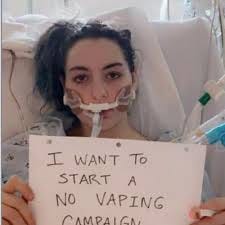
Simah Herman aged 18 in an ICU became an anti-vape advocate
One of the most dangerous aspects of vaping is the misinformation surrounding its safety. The public was led to believe that e-cigarettes were a nearly risk-free alternative to smoking. However, mounting evidence shows that vaping has significant health risks, particularly to the lungs:
EVALI (E-cigarette or Vaping-Associated Lung Injury): The 2019 outbreak of severe lung illness, linked to vaping, led to multiple deaths and hospitalizations.
Toxic Chemicals in E-Cigarettes: Vape aerosols contain dangerous substances such as diacetyl (linked to "popcorn lung"), formaldehyde, and acrolein—all harmful to lung health.
Increased Risk of Respiratory Disease: Studies show vapers are at higher risk for chronic obstructive pulmonary disease (COPD), bronchitis, and asthma.
Nicotine Overconsumption: Because vapes don't burn out like cigarettes, users can take in far more nicotine than they would have with traditional smoking, deepening their addiction.
Oops! We Hooked the Kids
E-cigarettes were supposed to help people quit smoking, but they have instead created an entirely new nicotine epidemic. Young people who never smoked are now addicted to vaping, setting themselves up for a lifetime of dependence.
In a world where health misinformation spreads rapidly, it's critical to challenge the false narratives pushed by the industry. E-cigarettes are not a safe, effective way to quit smoking—they are a profit-driven strategy to keep nicotine addiction alive.
Doctors Are Catching On
E-Cigarette Cessation Statistics (past year) [4]
Statistic Per Centage Source
E-cigarette users who attempted to quit vaping 83% news-medical.net
Current e-cigarette users intending to quit vaping 54.2% truthinitiative.org
E-cigarette users who attempted to quit vaping 33.3% truthinitiative.org
Estimated success rate for quitting smoking
using e-cigarettes 9 - 14% health.harvard.edu
Dual users (cigarettes + e-cigarettes) struggle High prevalence Multiple studies
to quit both
The message that e-cigarettes are SAFE may have worked to mislead the general public. However, recent studies indicate that approximately 70% of physicians have been asked about e-cigarettes. It is good news to hear that only 21.7% of doctors have recommended e-cigarettes to patients, which dropped to 9.8% in the past month. This shift suggests that more healthcare professionals are recognizing the dangers of vaping and are steering patients toward behavioral cessation methods such as cognitive behavioral therapy and others.
The New Zealand Guidelines for Helping People to Stop Smoking (2021 Update) was a document I once actively promoted in my work with medical, nursing, and allied health professionals. It provided a structured system ensuring patients and clients were asked about their smoking status during at least one yearly health provider contact.
A = Ask and document every person's smoking status.
B = Give brief advice to stop smoking to everyone who smokes or vapes
C = Strongly encourage every person who smokes to use cessation support (a combination of behavioral and smoking cession medicine works best and offer them help to access it. Refer to or provide cessation support to everyone who accepts your offer.
The problem? These guidelines have been hijacked by Big Pharma, pushing their products onto governments at enormous taxpayer expense, shifting the focus from what actually works to what sells best. The Pharmaceutical Society of New Zealand's 2020 Position Statement astonishingly advises that 'any e-cigarette product should also be considered an NRT therapy.' [5] This misleading guidance lumps e-cigarettes into the same category as actual quit aids, further entrenching nicotine dependence rather than breaking it. But folks, that's rubbish! We know Big Pharma has been using propaganda advertising to falsely claim Cold Turkey doesn't work as a method of quitting, saying it's the least successful when, in fact, it is the most successful.
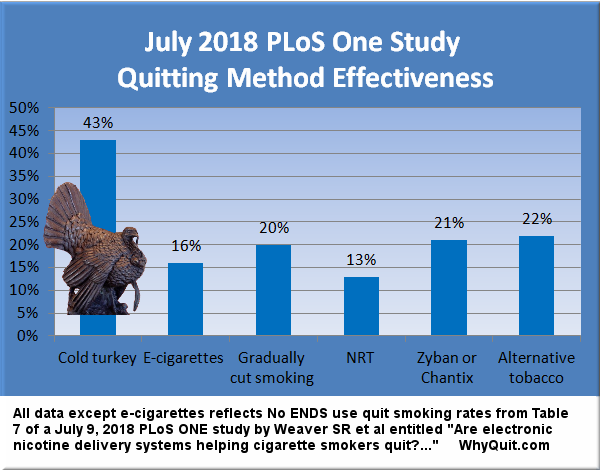
A 2018 Gallup poll found that nearly half (43%) of former smokers quit cold turkey, making it the most commonly reported and successful method. [2] Every day, people go cold turkey using knowledge gained from ex-smokers, websites, google and the help and support of friends and family. Misinformation about cold turkey and people's lack of knowledge may lead to failed attempts, but no less than attempts with NRT. Of concern are CBT and other methods that fall back on NRT when their methods run into hiccups. Taking pharmaceutical medications should be a last resort for our precious bodies, which are designed by our creator for food and herbs to support our in-built healing mechanisms.
To show the individuality of humans' response to drugs, you need to look no further than our people; Māori and Pacifica. Exposure to nicotine affects their physiology (bodies), souls (minds, will, and emotions) and spirits more dramatically than us pākehā (European-Kiwi). It stands to reason the younger they start smoking or vaping, the more damage in those areas will be done. When they quit, the last thing they need is a nicotine replacement product or other cessation medication in their systems, causing havoc with side effects and adverse reactions. Their bodies are precious and unique, and Big Pharma and Big Tobacco, like all fierce hunters, are coming after men, women, teens, children and babies for profit.
It's time for a new set of Stop Smoking Guidelines—designed for the people who genuinely want to quit nicotine for good without being pushed toward yet another addictive substitute or drugs with side effects and risk of adverse reactions

Te Whare Tapa Wha the Māori Health Model
The best way to quit smoking? Not by replacing one nicotine product with another, but by breaking free from nicotine entirely. Real stop smoking strategies—like health education, behavioral support, tips, and strategies for our people—revolve around placing our healing within our cultural context. For Māori, culturally grounded healing methods such as whānau support, wairua (spiritual wellbeing), and rongoā (traditional medicine) play a critical role.
Pasifika communities thrive through the interconnectedness of physical, mental, spiritual, and social wellbeing. Like all of us, they value the diversity of their own island’s cultural heritage, traditions, and languages. This requires an array of responses that can only be driven by their own people.
Hon. David Seymour, Leader of the ACT Party and Minister for Regulation, has argued against the Te Tiriti Treaty principles, stating, "We should all be treated equally under the law, regardless of ethnicity" (RNZ, date unknown). However, we know that Big Tobacco targets our vulnerable populations, where health disparities continue to persist, particularly among Māori and Pasifika peoples, and where nicotine addiction has disproportionately harmful effects. David, we are NOT all equal when it comes to our health. Sadly, you don't support your people—New Zealanders with diverse needs. On this issue, we need strong politicians with a warrior heart.
As a quit coach, I have seen tens of thousands of dollars of NRT destroyed because they had expired. I have seen many groups of quitters angry because they turned up to the counselling session only to find it was all about NRT. Despite their protests, their contracts required the coaches to work this way.
I have borne witness to our smokefree leaders speaking up against NRT as the mainstay for New Zealand's smoking cessation policy when it was first introduced copying Britain. We knew it didn't fit our diverse culture, but the politicians don't listen as is typical.
The fight to get smokefree initiatives through to law has always been a slow and frustrating slog. For example, in 2014, we were actively working to introduce legislation banning smoking in cars carrying children. Despite overwhelming public support and clear evidence of harm, bureaucratic resistance and political delays meant it wasn't until May 2020 that the law was finally passed. Even then, it took until November 2021 for it to be enforced. This was despite surveys showing that New Zealanders overwhelmingly supported stronger smokefree measures, including bans on smoking in vehicles with children.
The slow, obstructive process felt like an uphill battle, with officials often appearing more interested in stalling progress than protecting public health. WHY? While the New Zealand government does not own a stake in British American Tobacco (BAT), it does generate significant revenue from the tobacco industry through taxation. The sector contributes over NZ$2 billion annually in taxes, primarily from excise duties. [3] They don't know our dead are piling up like firewood, nor do they care.
Globally, the economic cost of smoking is staggering. In 2024, the total financial cost of Tobacco was estimated at US$1.4 trillion, equivalent to 1.3% of the world's annual GDP. This includes healthcare expenditures and productivity losses due to smoking-related illnesses and premature death. [6]
In fact, global trends show that while some countries have seen a decline in tobacco sales due to increased health awareness and stringent regulations, the international tobacco market remains substantial, with significant growth in developing regions such as Asia and Africa. Big Tobacco has set a profit target of USD 1.1 trillion by 2030. [7] Does that sound like they are "going smokefree" making "safer products" or down-sizing?
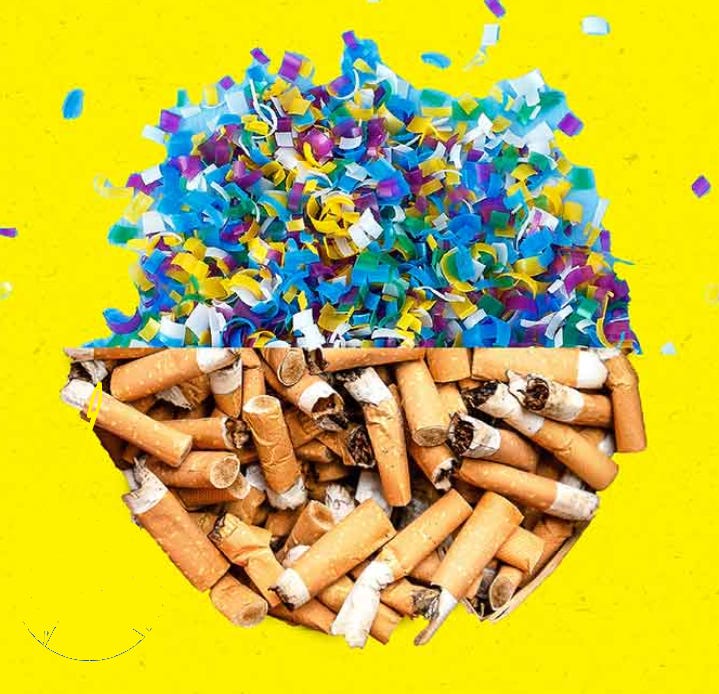
Big Tobacco's Legacy: The 5th largest polluter in the world.
Beyond the economic burden, the environmental impact of Tobacco is profound. Approximately 4.5 trillion cigarette filters pollute our oceans, rivers, city sidewalks, parks, soil, and beaches yearly. These filters contain over 7,000 toxic chemicals that leach into the environment when discarded. [8]
Big Tobacco is here to stay and it wants smokers, vapers, dippers, snuffers, and ordinary Joe Bloggs who wants a wee lift in mood, or to sharpen his focus while studying for exam. That's right your friendly drug pusher has you covered with and pouches; very discrete. Yes they do cause oral cancers and other problems but don't worry about that now, let's focus on helping you relax.
There's Gold in Them Thar Hills!
Global projection of profits in the e-cigarette and nicotine replacement therapy (NRT) markets by 2030:
E-Cigarette Market:
The global e-cigarette and vape market is expected to reach USD 182.84 billion by 2030, growing at a compound annual growth rate (CAGR) of 30.6% from 2023 to 2030. This growth is driven by increased awareness of the harmful effects of traditional smoking, technological advancements, and changing consumer preferences.
Nicotine Replacement Therapy (NRT) Market: The global NRT market is anticipated to grow at a CAGR of 16.3% from 2023 to 2030. Factors contributing to this growth include government initiatives, anti-smoking campaigns, and the rising demand for safer alternatives to smoking.

Big Tobacco and Big Pharma in Flight: Wealth Soars Above Leaving Death and Sickness Below
When you take a bird's-eye view and see the enormous profits being made by Big Tobacco, Big Pharma, and governments through tobacco excise tax, a significant conflict of interest becomes apparent. This financial dependence may hinder robust public health interventions, contributing to the sluggish implementation of smokefree policies, even in the face of clear evidence of harm and strong public support for stricter regulations.
We could lead the world and go nicotine-free, saving our youth from addiction. Allowing individuals to grow homemade Tobacco for personal use could be an alternative, reducing the influence of Big Tobacco.
Sadly, our government and its coalition partners have shown more interest in protecting the profits of Big Pharma and Big Tobacco rather than prioritizing the health of our people. Nicotine addiction is costing world economies billions, destroying our environment through pollution, and burdening every country with increased healthcare costs. All this so shareholders can profit from blood money.
My stance is clear: not on my watch. As a retired nurse, quit coach and smokefree advocate, I will continue to speak out against the misinformation about cold turkey quitting methods and the lies propagated by Big Pharma and Big Tobacco.
Join the Conversation
If you're struggling to quit smoking or vaping, know that you are not alone. You deserve real support as your body adjusts and transitions back to normal after nicotine dependence. If you want to learn how to do that, consider joining our community—we won't give you false solutions.
Take action today:
Write to your MP and demand policies that truly support people to quit nicotine without pushing another product.
Share this article with those who need to hear the truth about nicotine addiction and cessation.
Educate yourself and others about effective quitting strategies that don’t rely on Big Pharma or Big Tobacco’s agenda.
The time for change is now. Together, we can create a nicotine-free future.
Break Free Today
Say goodbye to smoking and vaping – for good! Dive into our transformative coaching and support program here on Xperiencify. With personalized care; you will find experiential knowledge, empathy and effective strategies unite, empowering you to conquer Big Tobacco and go into addiction recovery.
Or take the first step with How To Stop Smoking And Vaping: Your Step-By-Step Guide.
Embark on a transformative adventure that eclipses mere quitting—it's your chance to reclaim the vibrant life you once envisioned, liberated from nicotine's grasp. Elevate your wellbeing, magnify your self-assurance, and take the reins of your future. Join us on this momentous journey towards freedom. Together, we are unstoppable.
With optimism and heartfelt support,
Quit Coach Sue
Reference list:
New Zealand Ministry of Health, 2019
whyquit.com
BATNZ.COM
news-medical.net, truthinitiative.org, health.harvard.edu (E-Cigarette Cessation Statistics)
Pharmaceutical Society of New Zealand’s 2020 Position Statement
Tobacco Control Journal (Economic cost of smoking: US$1.4 trillion)
Tobacco Market size is set to grow by USD 217.9 billion from 2024-2028, Increasing number of new product launches to boost the market growth, Technavio
World Health Organization (Tobacco's environmental impact: 4.5 trillion filters pollute the environment)
