
Mastering Temptation: Stay Strong and Quit for Good
Put Knowledge into Action: Practical Strategies and Neuroscience Insights to Overcome Temptation

Sue Freeman RN | QuitCoach | Nicotine Recovery Advocate
Have you ever been tempted by something you knew wasn't good for you? It could be sneaking a piece of candy before dinner or staying up late despite being tired. Temptation is something we all face, and when it comes to quitting smoking or vaping, understanding how temptation works can make a huge difference.
Our brains are amazing, but smoking and vaping can hijack them. When we start these habits, they create pathways in our brains that make us crave more. The good news? Our brains can heal when we quit, but avoiding temptation is key to breaking free and staying free forever.
How Temptation Works
Temptation usually starts small. Here's how it plays out:
1.Trigger: Something happens to set off your craving. Maybe you see someone vaping or feel stressed.
2.Attention: Your brain locks onto the temptation, making it hard to think about anything else.
3.Desire: You start wanting the thing you're trying to avoid. The more you think about it, the stronger the feeling grows.
4.Rationalization:You tell yourself it's okay: "Just one puff won't hurt."
5.Decision:You either give in or flow past it.
6.Action: Instead of resisting, which creates internal conflict, go with the flow and let it go. Redirect your attention and release the craving.
7.Outcome: Every choice adds up. Over time, letting go of temptation leads to freedom and confidence!

Small Choices, Big Impact: The Domino Effect of Our Actions. Photo by Dontree on DepositPhotos
The Domino Effect
For someone who is smokefree, temptation can sneak back in through pro-smoking thoughts. It works like this:
Imagine a line of dominoes set up in a row. Each domino represents a small decision or event contributing to the overall situation. At first, each domino might not seem significant, but as they accumulate, they create a chain reaction.
When faced with temptation, it's like the first domino about to be tipped over. Each subsequent decision or event adds to the momentum, making it harder to stop the chain reaction. Will you let it fall? If you do eventually, the pressure builds up, and the final domino falls, representing the moment you give in to temptation.
This analogy helps illustrate that giving in to temptation often results from a series of small decisions and events, not just a lack of willpower or character, as some ill-informed people would have you believe.
Instead, it emphasizes the importance of recognizing and managing each step in the process to prevent the chain reaction from occurring.
Why Not Fighting Temptation Matters
Temptation tricks us into thinking we need smoking or vaping to feel better. But here's the truth: nicotine doesn't solve problems—it creates them. Once we become addicted to nicotine, our brain becomes sensitized to stress and needs nicotine to feel and function normally. Our brain has been changed!
Learning to manage stress, boredom, and other triggers for smoking with healthy behaviors allows us to take back control.
When we fight temptation, it may lead to an internal conflict. When we try to quit, our brain wants us to keep smoking because it thinks it needs nicotine to feel good. This can create a mental conflict (cognitive dissonance), where our desires clash with our values and goals. This clash can make us feel stressed and upset. Instead of fighting these feelings, it's better to understand them and find healthy ways to cope. By doing this, we can take control and quit smoking for good.
So instead of resisting temptation, which can stir up frustration, anxiety, or guilt, making the process of quitting even more challenging—go with the flow!
Instead of fighting against these internal conflicts, it's more effective to accept and understand them. By going with the flow and relaxing into the withdrawal symptoms and cravings, we can reduce their intensity. This approach helps us stay engaged with our quit coaches and avoid using our symptoms as an excuse to relapse.
The Science of Self-Healing
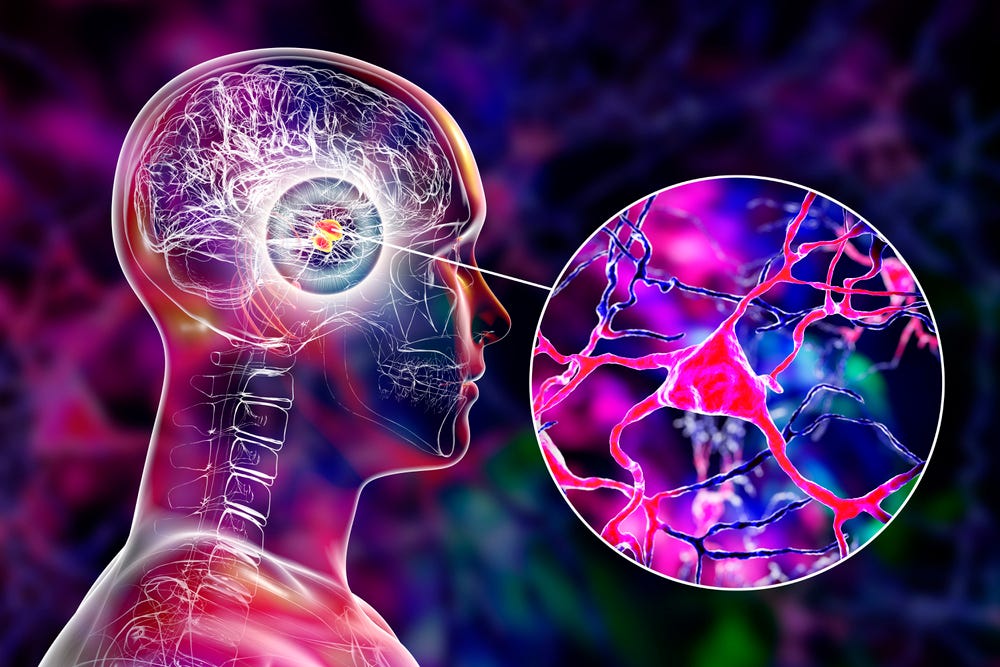
Close up of the Amygdala. Quitting nicotine leads to improvements in emotional health and a strong ability to manage stress and cravings. Image by Katerynakon on DepositPhotos
Did you know your brain and body start healing the moment you quit? It's true! When you flow past temptation and stay nicotine-free, your brain begins rewires itself.
Over time, when your thoughts and feelings align with your behaviors and your desire to be nicotine-free, you'll start feeling naturally happier and healthier. The cravings will decrease in frequency and intensity as the nicotinic receptors dissolve. The pathways used to encourage you to smoke or vape now aid you in quitting as your brain restores, renews, and regenerates.
How the Brain Works to Heal Addiction
It takes about three months for your brain to heal after you stop using nicotine products? Amazing right? During this time, your brain works hard to repair nicotine-disrupted pathways. This healing process restores what nicotine took away, allowing you to think more clearly, feel more balanced, and make healthier choices. Here's how quitting helps:
Thinking: Your ability to focus, plan, and make decisions improves as your brain's natural pathways rebuild.
Feeling: Emotions stabilize, and you experience fewer mood swings as dopamine levels return to normal.
Behaviors: Healthy habits replace old routines tied to smoking or vaping, making it easier to stay smokefree.
Quitting allows your brain to recover its natural rhythms, helping you feel like your true self again.
Tips to Outsmart Temptation
Speak Your Future Aloud: Speak out loud and be proud of what you want to create in your life today. Declare your goals and affirm your freedom from nicotine.
Embrace Nature: Start your day outdoors. Breathe in fresh air, soak in sunlight, and move your body. Movement is 90% essential for brain health.
Prioritize Wellness: Remember, your health is your wealth. Sleep well, stay hydrated, and nourish your body with healthy, unprocessed foods. Avoid junk and ultra-processed options that can harm your progress. By taking care of yourself, you're valuing and prioritizing your well-being.
Connect with Others: Building strong friendships and leaning on your support system is crucial. Addiction is more straightforward to overcome when you have people who understand and support you by your side. You're not alone in this journey*.
Pray and Meditate: Read and memorize Bible verses that inspire and encourage you daily.
Commune with God and Nature: Take moments to appreciate the beauty around you, reflecting on your purpose and progress.
Call to Action: Take the Next Step!
Quitting smoking or vaping is not just about breaking a habit—it's about transforming your life. By understanding your temptations and using the tips above to overcome them, you're building a stronger, more resilient, smokefree you each time you let go. This journey is filled with hope and inspiration, and it's waiting for you to take the next step!
Break Free Today
Say goodbye to smoking and vaping – for good! Dive into our transformative coaching and support program here on Xperiencify. With personalized care; you will find experiential knowledge, empathy and effective strategies unite, empowering you to conquer Big Tobacco and go into addiction recovery.
Or take the first step with How To Stop Smoking And Vaping: Your Step-By-Step Guide.
Embark on a transformative adventure that eclipses mere quitting—it's your chance to reclaim the vibrant life you once envisioned, liberated from nicotine's grasp. Elevate your wellbeing, magnify your self-assurance, and take the reins of your future. Join our 12-week coaching and support program accessed here at quitstrong.org for this momentous journey towards freedom. Together, we are unstoppable.
With optimism and heartfelt support,
Quit Coach Sue
