Breaking Free: A Journey to a Smokefree Life
Breaking Free: A Journey to a Smokefree Life
Unraveling the Secrets of Nicotine Addiction and Taking Back Control
Sue Freeman RN | QuitCoach | Nicotine Recovery Advocate
Nov 19, 2023

Image by DepositPhotos: Tobacco Addiction
Introduction
If you or someone you know finds themselves trapped in the relentless cycle of smoke (or vape)-quit-relapse, it's time to unravel the hidden truths that surround nicotine addiction. The journey to a smokefree life is not just a personal endeavor; it's a battle against powerful forces that profit from your struggle.
The Nicotine Trap
Big Tobacco has a history of trapping its customers, and today, it's not just about cigarettes. The rise of vaping has introduced a new generation to the clutches of nicotine. Understanding the tactics employed by these giants is the first step toward liberation.
One of the most devastating tactics is the insidious strategy of 'blaming the smoker for not quitting.' After all, they argue, they exist to meet the demand for their products – a notion that is, to put it bluntly, absurd. Currently, Big Tobacco has shifted the responsibility for the death and disease they initiate to governments around the world, giving them the mandate to disseminate 'health messages.' Clever maneuvers! But the truth, often lost on the uninitiated, is that they are merely abdicating responsibility once again.
If I knew then what I know now!
Dear Reader, if you have read my story (about me), you know I got free of a nicotine addiction that was killing me. But, for those of you who don't, let me tell you that growing up, my parents were both smokers, and as my brothers and sisters started smoking, I was vehemently told I was not allowed to because of my asthma. Little did we know that I also had bronchiectasis, a condition that would later manifest because I decided to smoke.
Despite the warnings and the immediate challenges of coughing and chest pains, when I took my first puffs, I set in motion a 17-year addiction that nearly brought me to the brink of death. My Respiratory Specialist advised me to quit smoking, but despite numerous attempts, each one accompanied by weight gain, I found myself trapped by the tight grip of addiction.
In the depths of my desperation, I failed to see the toll it was taking on my health. I was smoking in the house with my two young daughters, and my health was deteriorating—I was blind to the harm I was causing. Cigarettes became a crutch, numbing the pain of life's traumas and helping me cope with chronic pain from injuries. They were my companions during late-night study sessions and solace during lonely hours. Can you relate?
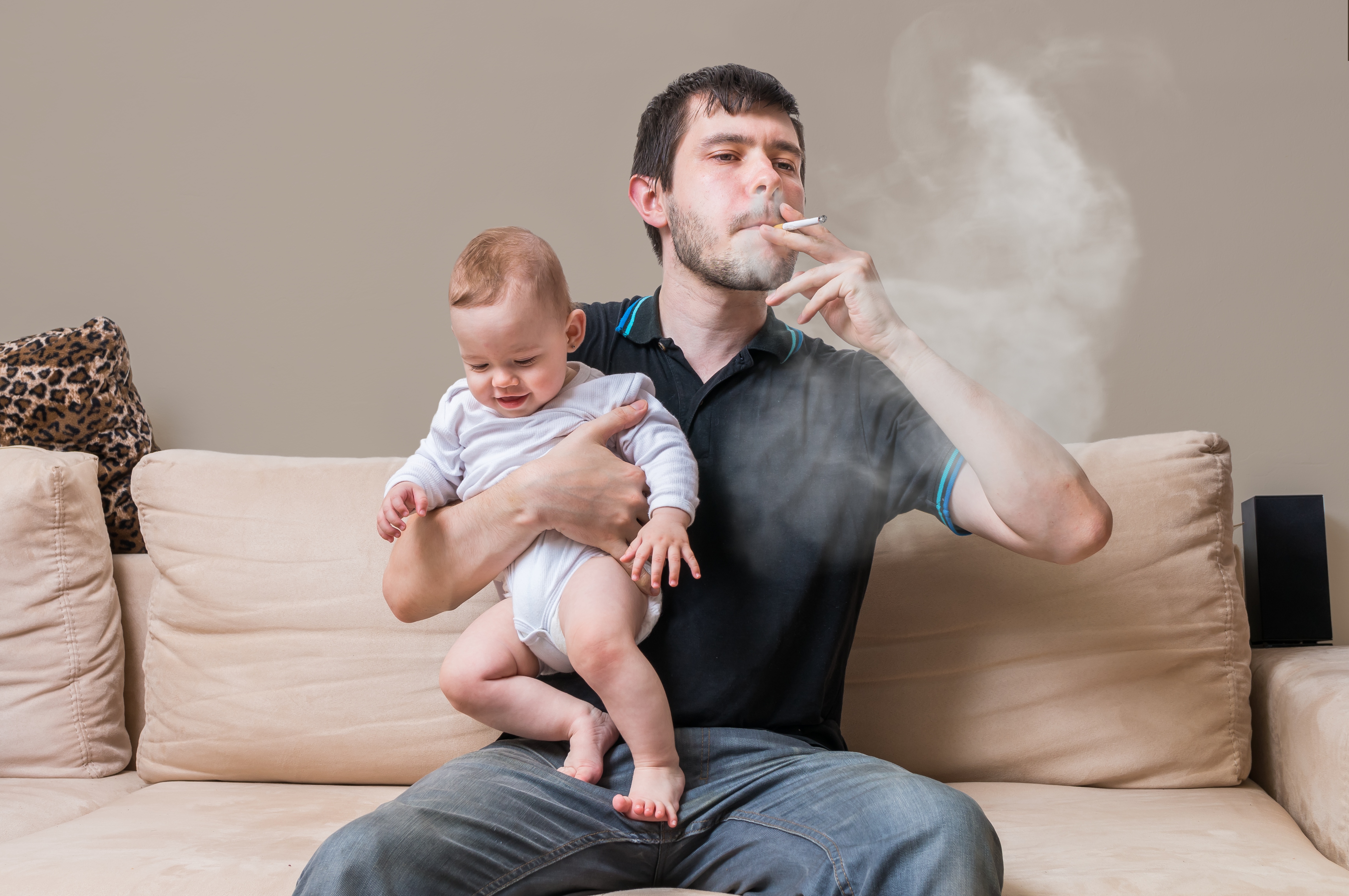
Image DepositPhotos: The Father is trying not to contaminate the baby.
The allure of that little red glow at the end of each cigarette had me struggling with having 'one last cigarette' before bedtime. When I started researching why smokers are in the smoke-quit-relapse cycle, I realized my journey to quit was marked by ignorance, even as I, a health professional, grappled with the limited training on smoking, nicotine addiction, and cessation in the seventies—which was barely fifteen minutes and later when I retrained as a Comprehensive Nurse eighties things weren't much better. Later, working as a Cessation Specialist training doctors and nurses in the 2000s, I observed a persistent resistance to the necessary training from some in the medical community who should have been more informed.
The Path to Recovery
As someone who has navigated the challenging journey of breaking free from nicotine addiction, I understand firsthand how smoking alters the intricate pathways of the brain. The profound impact becomes evident when attempting to quit, marked by withdrawal symptoms like anxiety, irritability, and an intense craving for nicotine. In my brother Steve's case, he experienced anger so severe his wife, Siew, told him to start again. The reality was he was experiencing low blood sugar. These symptoms serve as poignant reminders of the deep-seated changes in brain (and body) function caused by smoking. Unraveling the complexities of this transformation is essential for anyone on the path to a smokefree life.
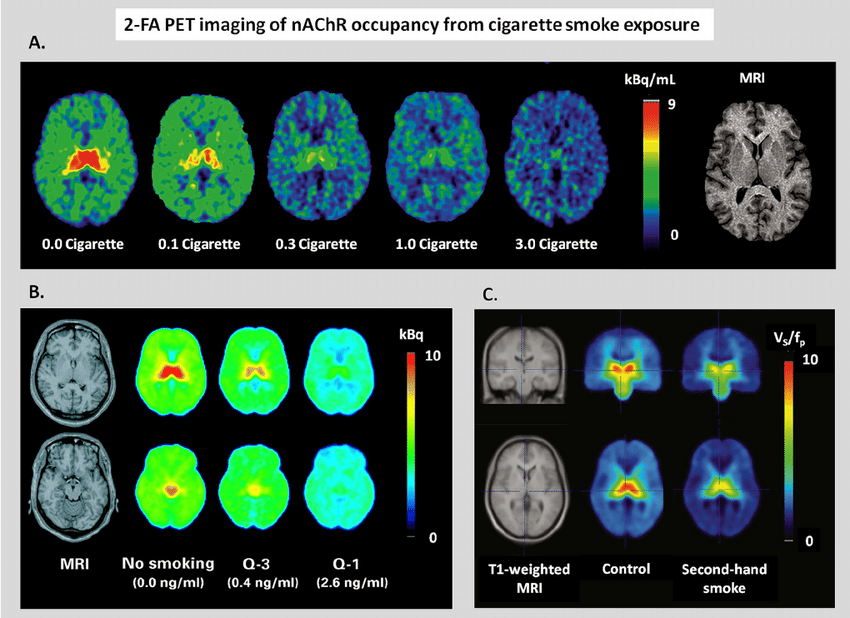
Image NeuroscienceNews: Pet Scan showing cigarette smoking changes to the brain.
Neurochemical Symphony: Unraveling the Intricate Dance of Nicotine and Your Brain
Dopamine Surge: Nicotine prompts a surge in dopamine, the neurotransmitter associated with pleasure and reward, creating a pleasurable sensation that reinforces the smoking habit.
Acetylcholine Mimicry: Nicotine mimics acetylcholine, elevating signaling activity in the brain. Over time, the brain adapts by reducing acetylcholine receptors, resulting in nicotine tolerance.
Glutamate Enhancement: Nicotine enhances glutamate activity, temporarily heightening focus and memory.
GABA Inhibition: Nicotine inhibits GABA, a neurotransmitter that promotes calmness, contributing to feelings of relaxation.
Norepinephrine Release: Nicotine stimulates the release of norepinephrine, increasing heart rate and blood pressure.
Serotonin Boost: Nicotine increases serotonin release, temporarily uplifting mood.
These brain messengers should be at work for you, taking you to your full potential as the unique person you were created to be, not held captive by the chains of addiction. Now, let's unravel the secrets of how nicotine disrupts this natural harmony and explore the journey to reclaim control. When you quit smoking within twenty minutes, your brain and body will begin to self-heal without the need for drugs, repair, and recovery.

Image Harvard University Newsletter: Food is your medicine.
Breaking Free: Unleashing the Power of Self-Healing after Quitting Smoking
1. To repair your brain: No nicotine in any form. Nicotine will replace your brain's natural messengers.
2. Eat addiction-busting foods: Use food as your medicine. To reboot the liver, which has required a 'nicotine hit' to bring it to 'normal' for ten days minimum. Preferably eat plant-based fruit, vegetables, nuts, seeds, legumes, etc., but include any safe source of food that hasn't been sprayed with poisons. Make sure you wash it. Use healthy fats. Not processed oils. If you crush a plant and get water, don't use it as an oil.
3. NO PROCESSED FOODS. NO SUGAR. NO TAKEOUTS: Do not let your liver switch to a 'sugar fix!' If you do, you will always be at risk of relapse, and you will gain weight unless you are genetically blessed. Processed foods poison your body! Check it out for yourself.
4. Eat small meals x3 daily. Eat small snacks x 3 daily to keep your blood sugar levels from falling too low. Smoking causes insulin resistance; this is repairable – given time.
5. Hydrate properly: This means water, not coffee, tea, alcohol, or sodas. Water treats withdrawal symptoms: headaches, aching joints, lung inflammation, flushes toxins out quicker so you feel less nauseous, plumps up skin so you look younger, and helps with constipation. I can't undersell the importance of water.
6. Review your medications with your doctor or pharmacist: When you stop using nicotine, your liver will slow down the processing of caffeine and alcohol, making them more potent, and you are more prone to side effects. A review of your medicines may result in a reduction in their dosage and frequency. If you started smoking at an early age, the consequences are felt in adulthood in terms of anxiety and depression. This requires time to heal after you quit. I guarantee your brain will self-heal when you help it.
7. Exercise and Support: Use it or lose. Engage in regular physical activity to breathe in life and revitalize your lungs and muscles. Include deep breathing exercises throughout your day to relieve stress. Seek support—don't undertake this journey alone—exercise in the fresh air with a friend, fostering physical and mental well-being. Combat loneliness by connecting with others and supporting each other on the path to quitting and achieving a healthier lifestyle. Celebrate every step of the way with your supporters; you deserve your success!
8. Sleep Hygiene: A lack of sleep leads to poor mental health, premature aging, poor behavior, and relapse. Establishing a good bedtime routine will come with time, but quitting initially will elicit sleeplessness, bad dreams, and sometimes nightmares. Therefore, stay hydrated, rest, or nap; if you have caffeine, have it before 11 am, and stay in bed at night – no light or sound as you pray or count sheep. Let your brain reset to a sleep-inducing environment.
9. Educate Yourself: Embark on a quest for knowledge about nicotine use and the path to quitting. When Big Pharma claims to double your chances of quitting, question the duration—five years, perhaps? Explore the lived experiences of individuals who, like you, navigated the challenges of quitting. Don't solely rely on my words; immerse yourself in research. Google, delve into resources, and undertake the journey of discovery, just as I did. The reward is unparalleled freedom. With the grace of God, you'll rejuvenate your health, reclaim vitality, achieve emotional equilibrium, and embrace the ultimate gift—free will. The freedom to choose not to smoke is a profound and empowering choice!
Let's take a moment to appreciate the unsung heroes in this journey – the health professionals and the unwavering support systems. To the doctors, dentists, physical therapists, counselors, friends, and family members standing alongside those on the path to freedom, your support is invaluable – thank you!
Conclusion
I hope you can use what I have shared today. Please grab a copy of my book: How To Stop Smoking & Vaping For Good: Your Step-By-Step Guide available on Amazon. It is based on my proprietary progam: The System: Taking Back Control, which is a 12 week coaching and support program to help break the addiction in your body, mind and spirit. It's available through: quitstrong.org
When you seek to be free from nicotine addiction, your journey becomes one of empowerment, liberation, and self-discovery. We've delved into the reasons and methods to quit, exposing the deceptive tactics of Big Tobacco. It's essential to acknowledge that pursuing freedom is a profound transformation of mind, body, and spirit.
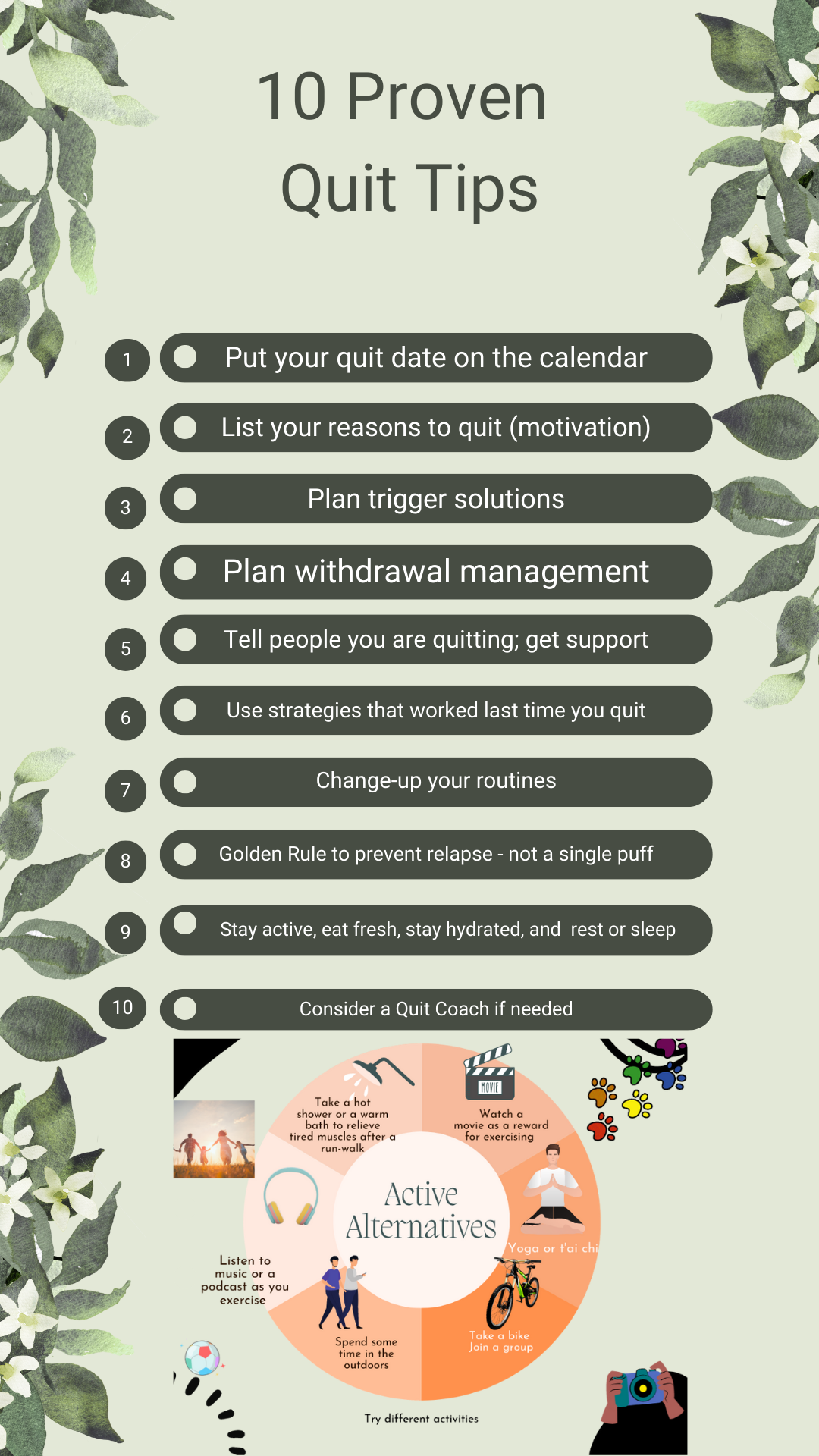
Below are 10 Proven Quit Tips