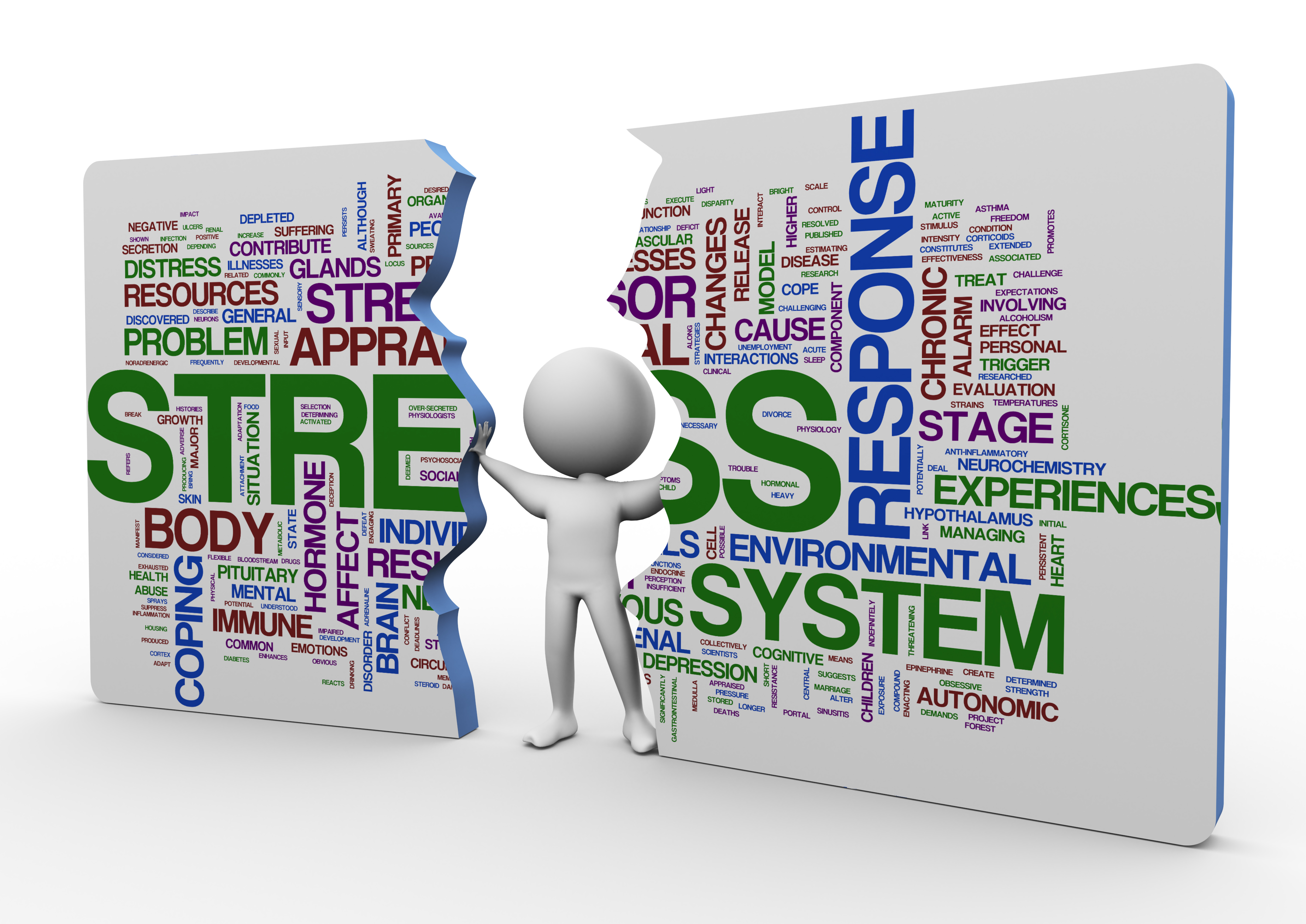
DARE 4 Steps to Reduce Anxiety when Quitting Smoking
DARE 4 Steps to Reduce Anxiety when Quitting Smoking
Smoking Stresses The Brain — Quitting Destresses It!
Sue Freeman RN | QuitCoach | Nicotine Recovery Advocate
Nov 27, 2023
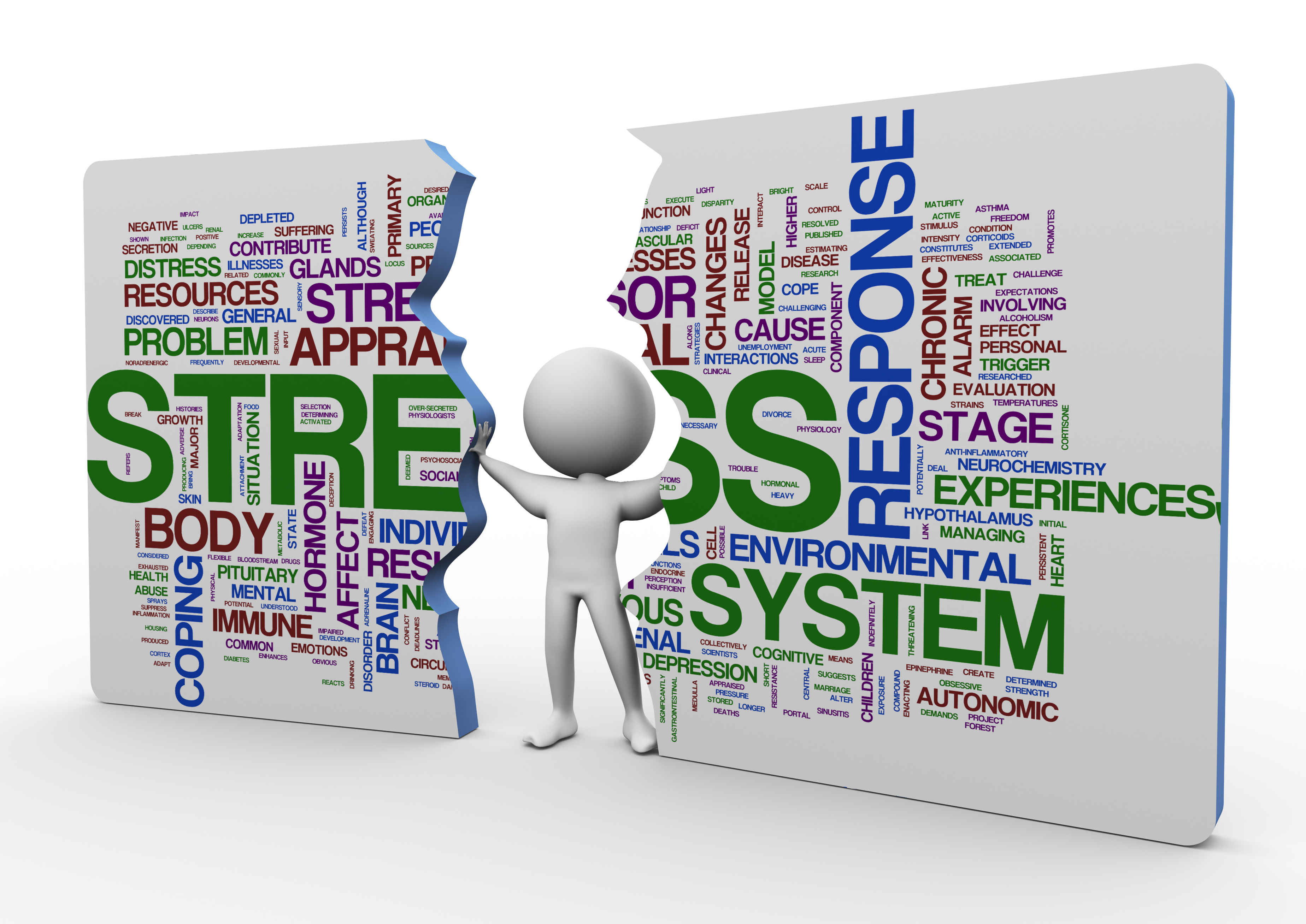
Image by DepositPhotos
Congratulations on considering the empowering choice to quit smoking! If you're concerned about quitting due to stress, depression, or anxiety, rest assured you're not alone. While many smokers use tobacco as a coping mechanism, deciding to break free is a courageous step.
Interestingly, even though most smokers seek relaxation or focus through tobacco, smoking itself causes anxiety. Quitting, which eliminates nicotine's stimulating impact, maytemporarilyheighten anxiety – but fret not; this effect is short-lived, and as a former smoker, you'll experience reduced anxiety and stress.
Life presents positive and challenging stressors, serving as opportunities to inspire changes. This article aims to offer practical steps for easing anxiety and stress throughout your quitting journey, paving the way for you to be a healthier and happier ex-smoker.
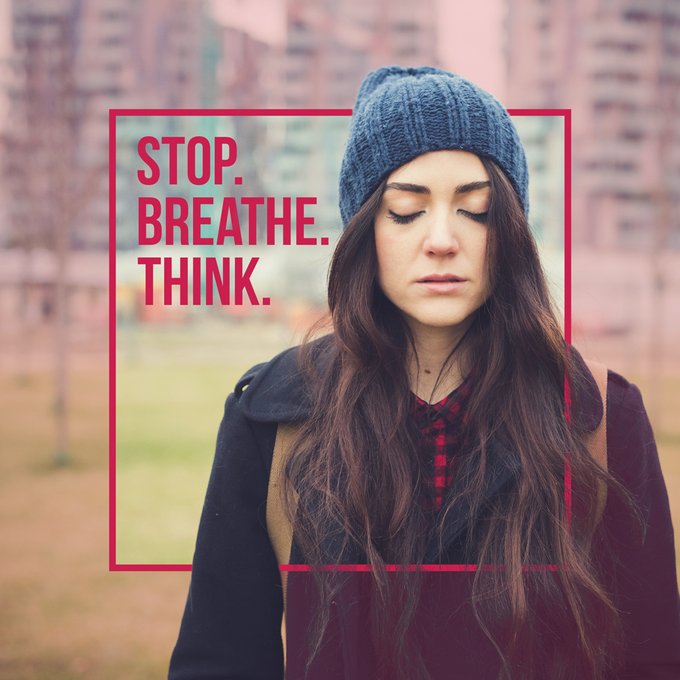
The quickest way to change your brain’s stress response is to hit your ‘kill switch.’Take deep, even breaths in and out at a rhythmic pace. For me, because I smoked, I can only manage a pattern of four seconds in, hold, and four seconds out. Try it now. How did you do? Practice this technique. It will be a lifesaver in moments of intense stress. Keep this rhythm going for two minutes, drop your shoulders, relax your jaw, and know you are okay.
The next technique is not only enjoyable but also requires practice. It's called laughter. Laughter releases endorphins and serotonin in your brain, effectively combating stress and anxiety. It does this by disrupting the stress pathway ingrained in your brain, akin to how sheep form a track by following the leader on a hillside. Laughing puts you on a different, more positive track.
Discovering laughter has been a journey for me, especially with the challenges of a brain injury. It took years to find joy, and it is still a daily effort. If you find laughter a struggle like me, try making a list of things that bring you joy and start ticking them off. Force laughter to bubble up, and indulge in belly laughs while watching old comedy movies with others. Surround yourself with positive people, even though negativity may seem familiar. Did you know there are laughter groups? You could start one. Life is calling out to you.
The Stressful Link Between Smoking and Anxiety
In the quest for relaxation and focus, many individuals turn to smoking, unknowingly entering a paradox where the very habit intended to alleviate stress becomes a source of anxiety. Let's delve into the intricate ways smoking contributes to stress and anxiety through various mechanisms.
Nicotine Dependency:
One of the primary culprits behind the stress-inducing nature of smoking is nicotine. This highly addictive substance in tobacco establishes a cycle of dependency. As the body becomes accustomed to regular nicotine intake, withdrawal symptoms kick in when the nicotine level decreases, triggering stress and anxiety.
Physiological Effects:
Nicotine, known for its stimulant properties, temporarily increases heart rate and blood pressure. While this may provide a momentary sense of alertness or focus, the subsequent physiological responses can lead to heightened stress levels, especially as the effects wear off.
Coping Mechanism:
For many, smoking serves as a coping mechanism for stress. However, this relief is often short-lived, and the long-term consequences of smoking can contribute to an overall increase in stress and anxiety. Breaking free from this cycle is crucial to a healthier mental state.
Impact on Mental Health:
Smoking is intricately linked to various mental health conditions. Individuals with pre-existing anxiety disorders may find that smoking exacerbates their symptoms. Additionally, the realization of the health risks associated with smoking can contribute to heightened stress, creating a challenging loop for those struggling with both mental health and smoking habits.
Social and Environmental Factors:
The stressors associated with smoking extend beyond the individual to social and environmental realms. Stigmatization of smoking, concerns about its impact on personal relationships, and the increasing restrictions on smoking in public places all contribute to additional stress for individuals who smoke.
If you begin smoking during the developmental stages of your brain, the risks of developing anxiety, depression, and difficulty handling stress as an adult are heightened. The vulnerable nature of a child's and adolescent's brain to the effects of nicotine and other chemicals found in cigarettes brings forth important considerations:

Image of Neuron Synape by Neuroscience News
Brain Development:
Critical brain development occurs during adolescence, impacting decision-making, impulse control, and emotional regulation. Nicotine exposure during this period can disrupt these processes, leading to potential long-term cognitive and behavioral consequences.
Addiction Risk:
Adolescents are more prone to developing nicotine addiction than adults. The developing brain's reward system is easily hijacked by nicotine's addictive properties, making it challenging for young individuals to quit once they start.
Cognitive Impairment:
Smoking during adolescence is associated with cognitive impairments such as decreased attention span, memory issues, and impaired learning abilities. These effects can impact academic and mental performance and employment opportunities.
Mental Health Risks:
Smoking in adolescence increases the risk of mental health issues, including depression and anxiety. Nicotine's impact on neurotransmitters in the brain influences mood regulation, contributing to mental health challenges.
Gateway to Other Substances:
Smoking is often considered a gateway behavior, making adolescents who smoke more prone to experimenting with other substances. This further increases the risks associated with substance abuse and addiction.
Physical Health:
Beyond its impact on the brain, smoking in adolescence is detrimental to physical health. It raises the risk of respiratory problems, cardiovascular issues, and other health conditions that may persist into adulthood.
Social and Behavioral Consequences:
Smoking during adolescence can lead to social consequences, including conflicts with parents, academic challenges, and difficulties forming healthy relationships. It can also contribute to social isolation and stigmatization, and there is an association with crime for teenagers and adults alike.
Given these risks, it's crucial to prioritize preventive measures and education to discourage smoking initiation among adolescents. Implementing comprehensive tobacco control policies, promoting anti-smoking and vaping campaigns, and fostering open communication about the risks of smoking are essential steps in protecting the health and wellbeing of young individuals.
Breaking Chains: Knowledge Unshackles Generations from Big Tobacco's Grip
As an adult, being aware of the counterproductive cycle of smoking initiated during youth can help you understand how to break free from its grip. Seeking support, engaging in cessation programs, and prioritizing your health are vital steps toward a smokefree and mentally resilient future.
Understanding the profound impact of smoking on the developing brain, particularly when initiated during adolescence, underscores the importance of adopting strategies to break free from the grip of nicotine. As we navigate the risks associated with early smoking habits, the principles of the DARE Framework - Deliberate Acceptance, Actively Confronting, Redirect Attention, and Empowerment —become invaluable when you reinforce with a strong mindset of "Taking Back Control," which I teach in my 12-week coaching and support program: The Smokefree System: Taking Back Control.
DARE provides a structured approach for individuals, whether in their youth or as adults, to confront the stress and anxiety posed by quitting smoking while transitioning to an ex-smoker.
Let's get started!
Who DARE WINS
D - Deliberate Acceptance: Acknowledge Your Feelings
Description: Understand that feelings of stress, depression, or anxiety already present may seem worse during the quitting process. Eating healthy foods, staying hydrated, acknowledging these emotions without judgment, and recognizing them as a normal part of your journey are important.
Practical Tips:
Track your progress: Use a journal or app to record your emotions. Talk about how you managed them —what worked, what didn’t.
Share stories: Connect with others who successfully navigated similar emotions.
Relaxation techniques: Practice deep breathing exercises to manage heightened emotions.
A - Actively Confront: Face Anxiety with Courage
Description: Face anxiety head-on and transform it into an opportunity for personal growth. Challenge negative thoughts and reframe them positively.
Practical Tips:
Cognitive-behavioral strategies: Create positive affirmations to address anxious thoughts. For example:
I am not my emotions but the observer of my thoughts and feelings.
I choose health, and I am energized.
Success stories: Draw inspiration from individuals who turned anxiety into motivation during their life journeys.
R - Redirect Attention: Engage in Positive Activities
Description: Shift focus from anxiety to positive, engaging activities. Immerse yourself in enjoyable and fulfilling actions to distract from smoking, fostering mental resilience and stress.
Practical Tips:
Remember your childhood activities: Explore hobbies, exercise, or mindfulness practices to keep your mind occupied. See the detail of the inside of an eye and wonder at the creation of life. You are wonderfully made, too!

Source Neuroscience News: a newly discovered cell inside a retina.
E - Empowerment: Celebrate Progress and Choices
Description: Quitting smoking is a powerful and empowering choice. Celebrate small victories and recognize the progress made along your journey.
Practical Tips:
Track your progress: Establish a system to monitor your achievements.
Celebrate milestones: Acknowledge small and large milestones like smokefree days or health improvements.
If you have trouble getting moving, try this exercise: Do a Thunderbirds countdown: five, four, three, two, one, and get up and GO!
Long-term benefits: Remind yourself of the enduring benefits of being smokefree, including improved mental and physical well-being.
Conclusion:
Suppose you have set your Quit Date or have quit smoking, congratulations! It’s an awesome decision, one you will never regret. Your body starts healing twenty minutes after you put out your last cigarette.
You will love the feeling of health, energy, and vitality you begin to notice returning—the taste of food, the smell of flowers, the money you can save, and all the other benefits of not smoking. Your partner, should you be so blessed, will love the smell of you, too.
Acknowledge that the decision to quit might bring temporary anxiety, but the long-term benefits of a smokefree life far outweigh the initial challenges.
By embracing the kill-switch, laughter, and DARE principles and incorporating the practical tips, you empower yourself to overcome anxiety and stress on your journey to quit smoking. You've got this!
Would you be ready to take the Next Step?
For a deeper exploration of breaking free from smoking and adopting the mindset of "Taking Back Control," we invite you to explore the resources on quitstrong.org and to buy my self-help book on amazon called How To Stop Smoking And Vaping For Good: Your Step-By-Step Guide. QuitCoach Sue is a nurse educator with twenty years of experience helping people quit smoking, and she can help you, too!
